



Introduction to the UNESCO Chair on “Soils, Biodiversity, and Future Generations,” sponsored by UniLaSalle.

Today, 60% of the world’s soils are degraded due to the combined effects of erosion, salinization, and pollution. Increasing land conversion also threatens this fragile resource, the health of which is essential for ecosystems, biodiversity, climate stability, food production, and water regulation. More broadly, it determines the survival and well-being of humanity.
Protecting soils on a global scale has thus become more than a necessity; it is a fundamental societal choice and a responsibility toward future generations.
The “Soils, Biodiversity, and Future Generations” Chair, led by UniLaSalle in partnership with UNESCO, stems from this strong conviction that soils must be recognized and protected as central to climate, ecological, and social solutions.
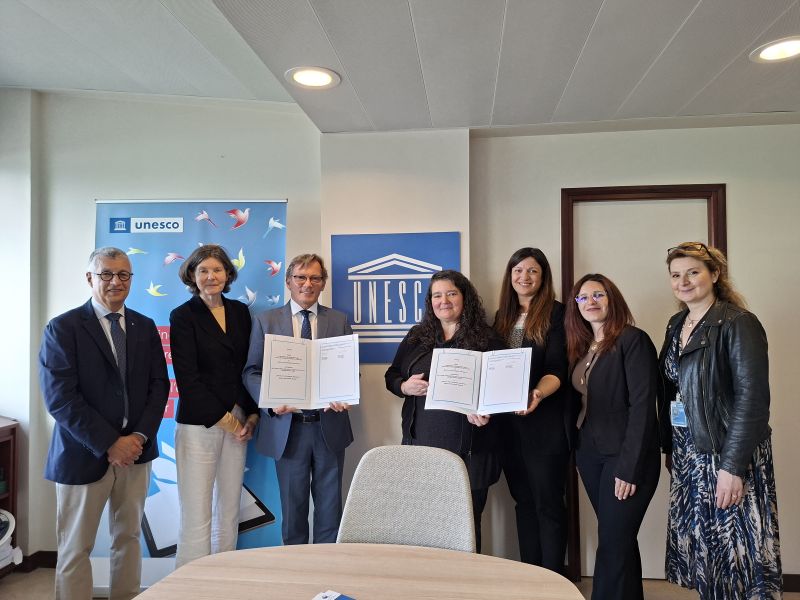
This project arose from a desire to bring together research and education around global issues, within a framework of open scientific and educational cooperation. It is part of a multi-stakeholder approach based on the sharing of knowledge and practices.
This international chair therefore aims to contribute to:
· the development and sharing of knowledge through international partnerships,
· educating younger generations to be responsible and aware of the importance of soils,
· and mobilizing farmers, agricultural advisors, and political and economic decision-makers around the need to preserve soils and their biodiversity.
With a firm focus on human development and the United Nations’ Sustainable Development Goals (SDGs), the chair is now part of the prestigious UNITWIN/UNESCO Chairs Program.
A new UNESCO Chair in France, the first dedicated specifically to soils
A UNESCO Chair is an initiative led by a university or institution of higher education, recognized by UNESCO, that aims to strengthen international inter-university cooperation. It brings together researchers, students, institutional partners, NGOs, businesses, and practitioners in the field to generate and share knowledge, develop projects, and disseminate best practices.
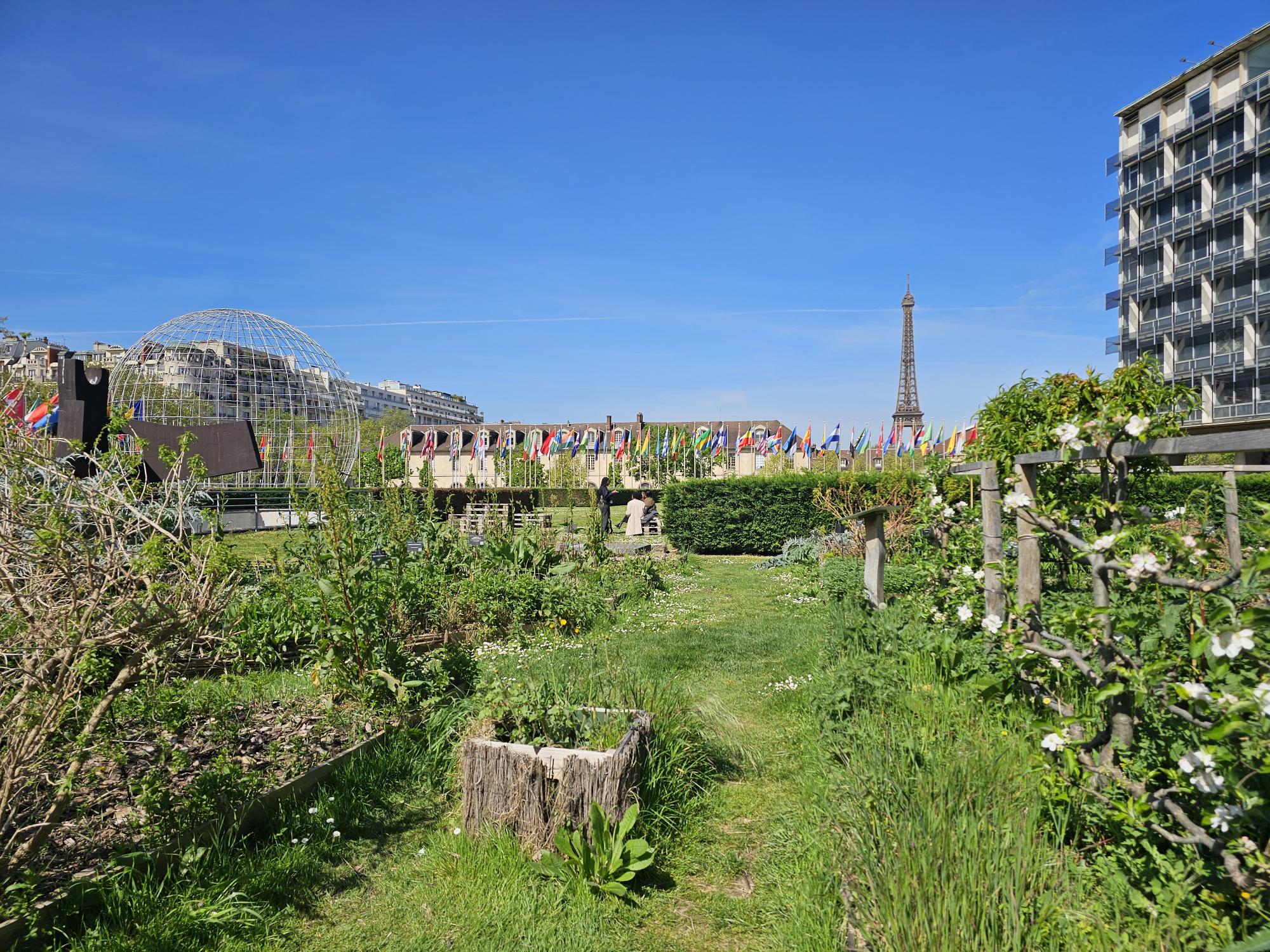
Initially supported by the French National Commission for UNESCO and subsequently approved by UNESCO’s Scientific Committee, the “Soils, Biodiversity, and Future Generations” Chair joins a network of more than 1,100 chairs across 130 countries and will benefit from:
· International recognition that strengthens the chair’s scientific and institutional legitimacy among partners and funders.
· Access to a global network connecting hundreds of teams across many countries, facilitating collaboration, joint projects, the dissemination of methods, and the sharing of expertise.
· An impact accelerator that mobilizes academic expertise to advance knowledge and practices on complex issues and strengthen capacities in training, cooperation, and knowledge transfer.
This UNESCO Chair symbolizes the recognition of more than twenty years of research conducted at UniLaSalle on sustainable soil management practices, and commits us collectively to pursuing this ambition with rigor, responsibility, and determination.
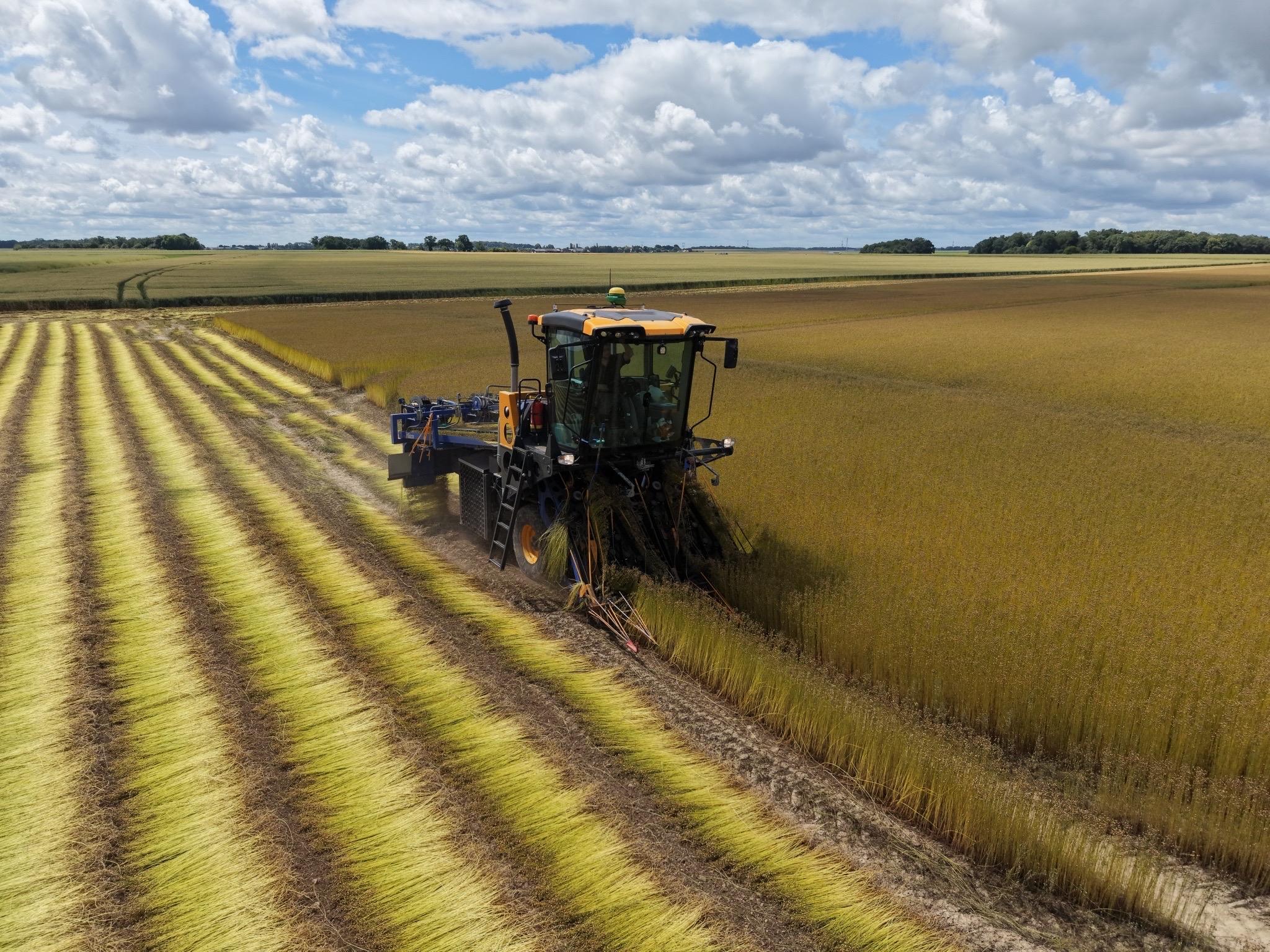
The UNESCO Chair in “Soils, Biodiversity, and Future Generations” is dedicated to bringing together research, education, and international cooperation focused on the preservation of soils and biodiversity.
Supported by the Lasallian network, it brings together researchers, educators, and practitioners to address major sustainability challenges.
International partnerships facilitated by the La Salle network
Faced with global challenges related to soil degradation in the context of climate change, the UNESCO Chair draws on a network of academic and socio-economic partners spread across four continents: Africa (Senegal, Tunisia), Latin America (Brazil, Colombia, Mexico), Asia (the Philippines), and Europe (France).
This diversity of soil and climate contexts fosters the exchange of knowledge and best practices between regions already highly exposed to major hazards—salinization, contamination, and water stress—and those that will face these same threats in the future. The Chair thus aims to help anticipate the effects of climate change and disseminate appropriate long-term solutions.
Through its efforts in raising awareness, experimentation, comparison, and cooperation, the “Soils, Biodiversity, and Future Generations” Chair is at the heart of the Lasallian educational mission. Supported by the involvement of the La Salle network—the world’s leading international network dedicated to education—it embodies the motto “Together and through association,” particularly through the ILIASS network (International Lasallian Institute of Applied Sciences for Sustainability).
Our Initiatives
Applied research programs, training for students and professionals, scientific events, and collaborative projects on a global scale drive the Chair’s activities.
Each initiative aims to pass on knowledge and practices to future generations that will contribute to a more just and sustainable world.
Join the community to follow our progress and participate in our projects.
Past newsletters
Would you like to read previous issues? All the Chair’s newsletters are available in our archive.
Browse the archive